
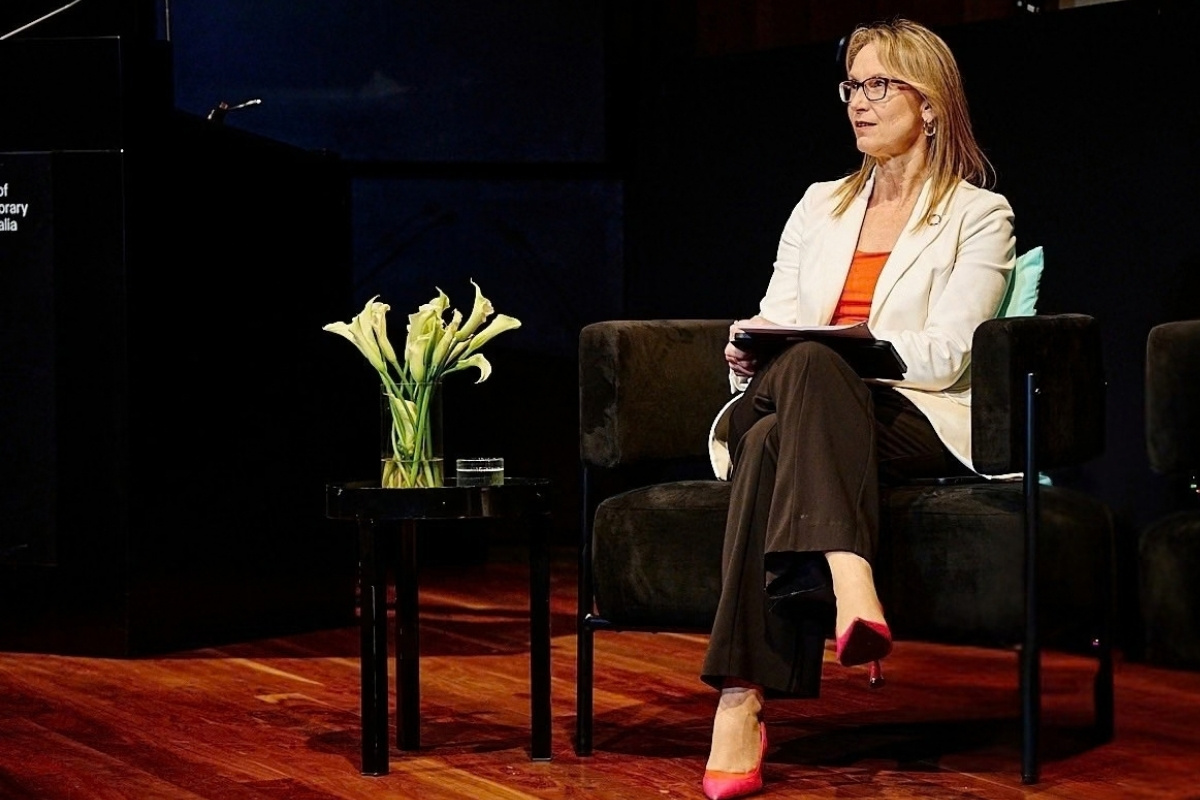
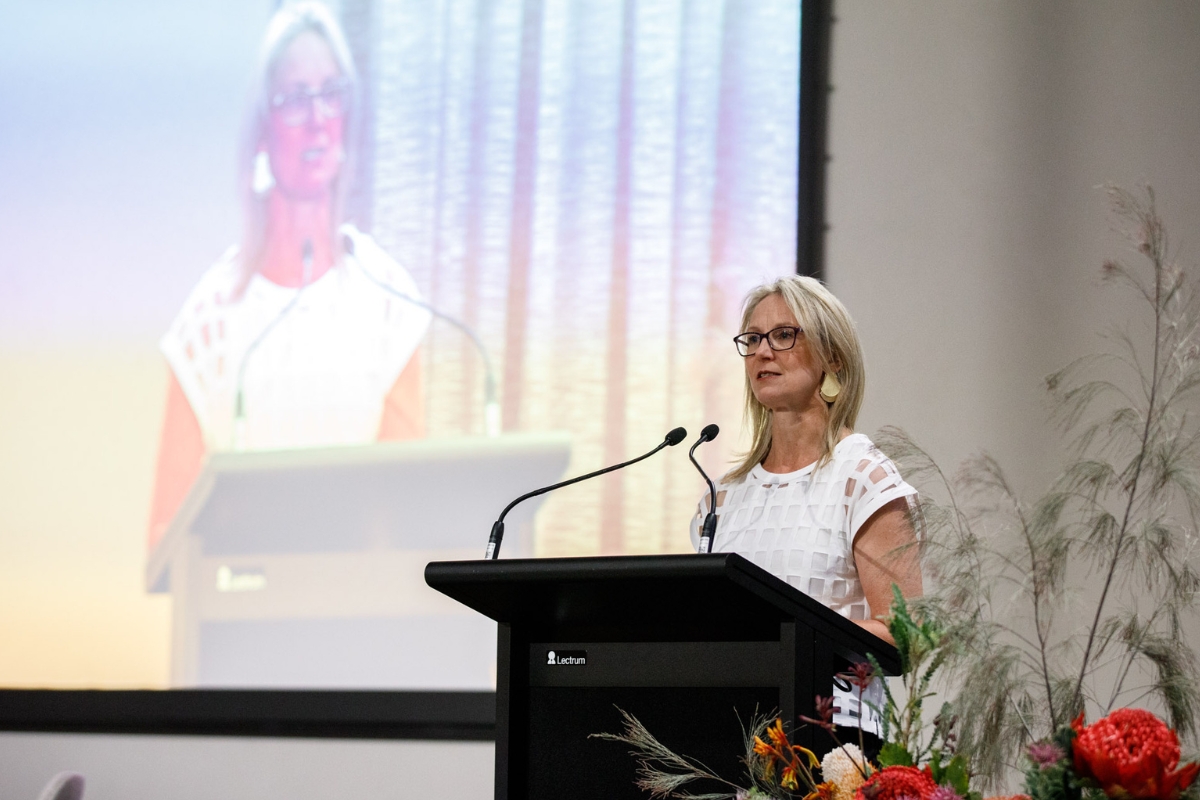
This month, Seamless hosted an AFC Talk presented by Afterpay at AFC Australian Fashion Week: ‘The Case for Circular: Fashion's Most Important Business Conversation’. We explored what it really takes to value our clothes as resources and keep them in circulation longer.
Our panellists shared how practical circularity initiatives are embedded into their business operations - from circular clothing design and materials innovation through to resale, repair and recycling initiatives. We also explored the importance of collaboration and the role of industry-wide coordination in accelerating change.
A huge thank you to our panellists, Gayle Burchell, Chief Commercial & Sustainability Officer at THE ICONIC; David Leslie, Founder of Gali Swimwear; and Daniela Vlahovic, Marketing Manager at Suzanne Grae.
Here are some of the innovative circular clothing initiatives we discussed.

Making circular fashion easy
RE-ICONIC is THE ICONIC’s central destination for circular fashion solutions – bringing together pre-loved pieces, rescued items, alteration and repair services and donation and recycling pathways.
The hub is designed to make it easy and enjoyable for customers to refresh and recirculate their wardrobes via THE ICONIC’s app and website.

Designing with care
GALI Swimwear focuses on creating economic opportunities for First Nations artists by paying royalties and reinvesting in community-led projects, while proudly supporting ethical collaborations that celebrate First Nations culture. GALI swim briefs are made from recycled materials and come in compostable packaging.

Viable and scalable circularity solutions
As a B Corp certified company, and a Seamless foundation member, it’s a priority for The Sussan Group to find viable and scalable solutions to manage end of life clothing and textile waste.
The Sussan Group has established a circularity action plan, prioritised circular clothing design training, has a preferred fibres policy and recently participated in a pilot where clothing textiles were recycled into insulation for commercial buildings and housing.


.jpg)