
Seven innovative pilots, delivered through the Seamless Circular Clothing Textiles Fund across metropolitan and regional Australia, gave unwanted clothes a second life and are helping to shape a national clothing system.
The real-world trials explored new ways to collect, sort and recycle clothing that can’t be worn again. Delivered as part of a program that received grant funding from the Australian Government, insights and outcomes from the Fund projects will inform a coordinated national system for clothing collection, sorting, reuse and recycling.
In total, 30 organisations took part, from clothing brands and uniform manufacturers to charities, local councils, recyclers, logistics partners and universities. In less than three months, the pilots collected and sorted nearly 31 tonnes of clothing. 13 tonnes of unwearable items were transformed into eight new products, including acoustic and insulation panels, hydromulch for revegetation, and filling for homewares like pet beds, cushions and draught stoppers.
Watch the video for a quick introduction to the seven pilot programs.
Seven practical pilots in action
Read an overview of each project below and click through to explore the full story.

National Circular Textiles Pilot
The National Circular Textiles Pilot was led by Australia Post in collaboration with R.M.Williams, REMONDIS Australia, BlockTexx and iQRenew. Using a purpose-designed satchel, R.M.Williams customers sent back shirts and T-shirts for recovery through a traceable, circular system.
Clothing to Construction initiative
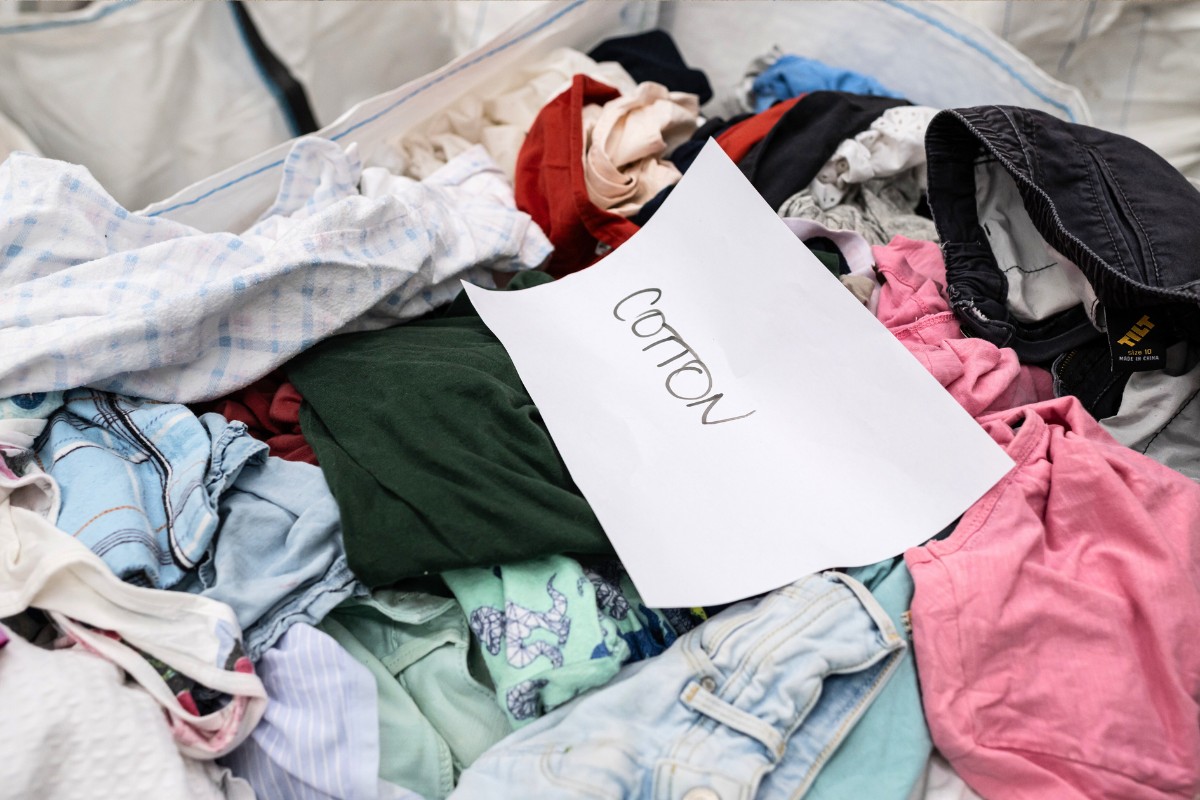
Delivered by ResourceCo in partnership with Salvos Stores, Shred-X, the Sussan Group and Pellenc ST, this initiative turned unwearable clothing into a valuable resource. Using mechanical recycling, clothing textiles were transformed into insulation panels designed for use in the Australian construction industry.
Project ReCarbon
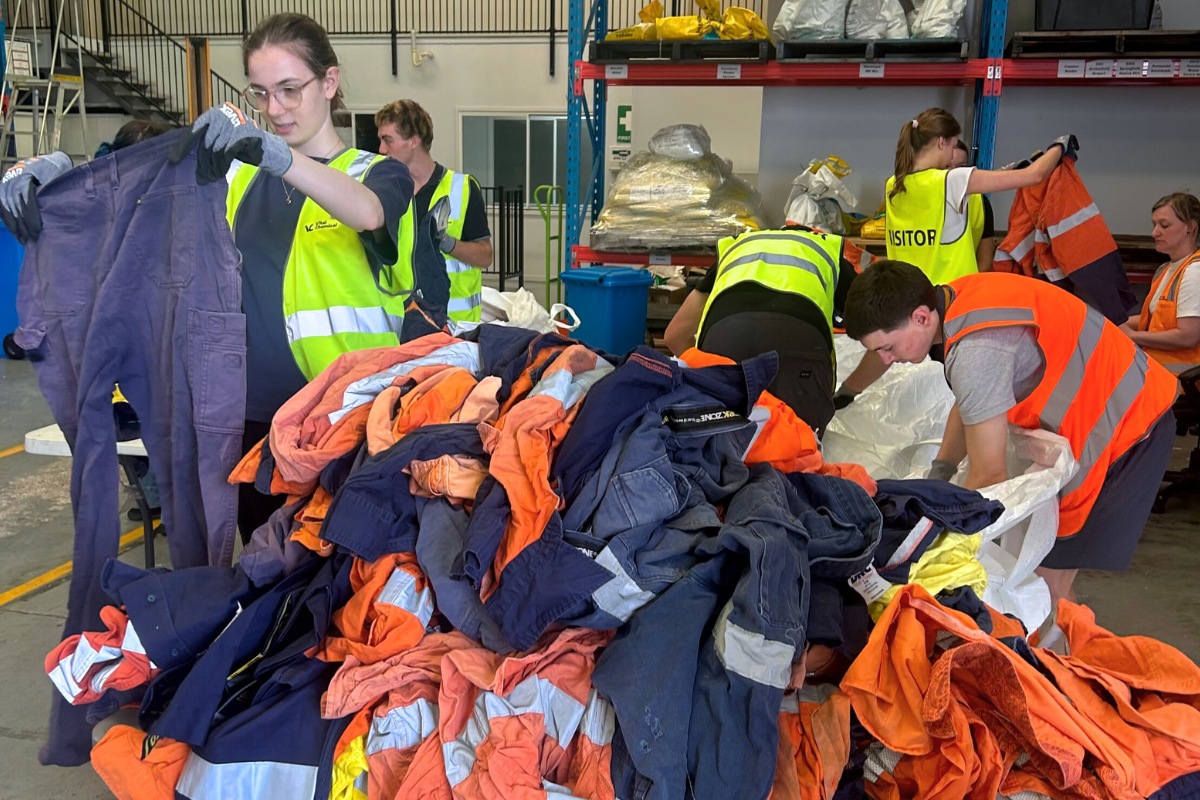
Project ReCarbon, led by Vital Chemical in partnership with Earth Systems, Georgiou, Textile Recyclers Group and Salvos Stores, piloted an Australian-first circular approach to textile recycling. High-vis workwear and unwearable clothing were converted into textile biochar using advanced pyrolysis technology. The clean carbon was then used in hydromulch for revegetation, returning the material to the same construction sites it came from.

Circular Take-Back Scheme for Industrial Safety Workwear
Led by Blackwoods in partnership with Assembled Threads and Textiles Recyclers Group, this project recovered used workwear from remote Queensland mining sites. A portion of the garments were sorted and repaired to extend their life, while also creating employment and training opportunities for refugees and people with disabilities. Other garments were recycled into longer fibre yarns for woven and knit textiles, as well as shorter non-woven materials for future workwear applications.
Circular Textiles Yackandandah Pilot
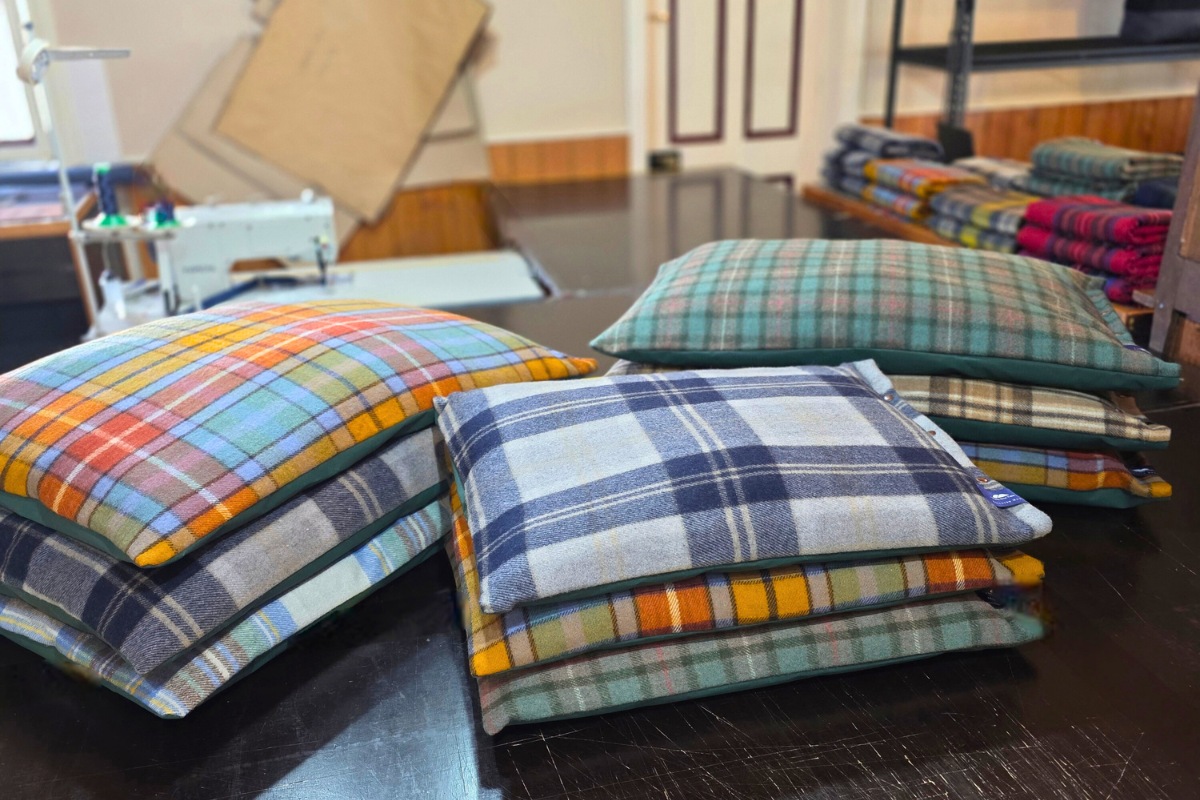
Led by Stone Hill View with the Yackandandah Community Centre, this pilot created a local, replicable model for keeping textiles in use. Clothing was collected and sorted through the community op shop, with non-resaleable items shredded and reused as filling for locally made products like pet beds, cushions and draught stoppers.
WA Clothing Recovery Pilot
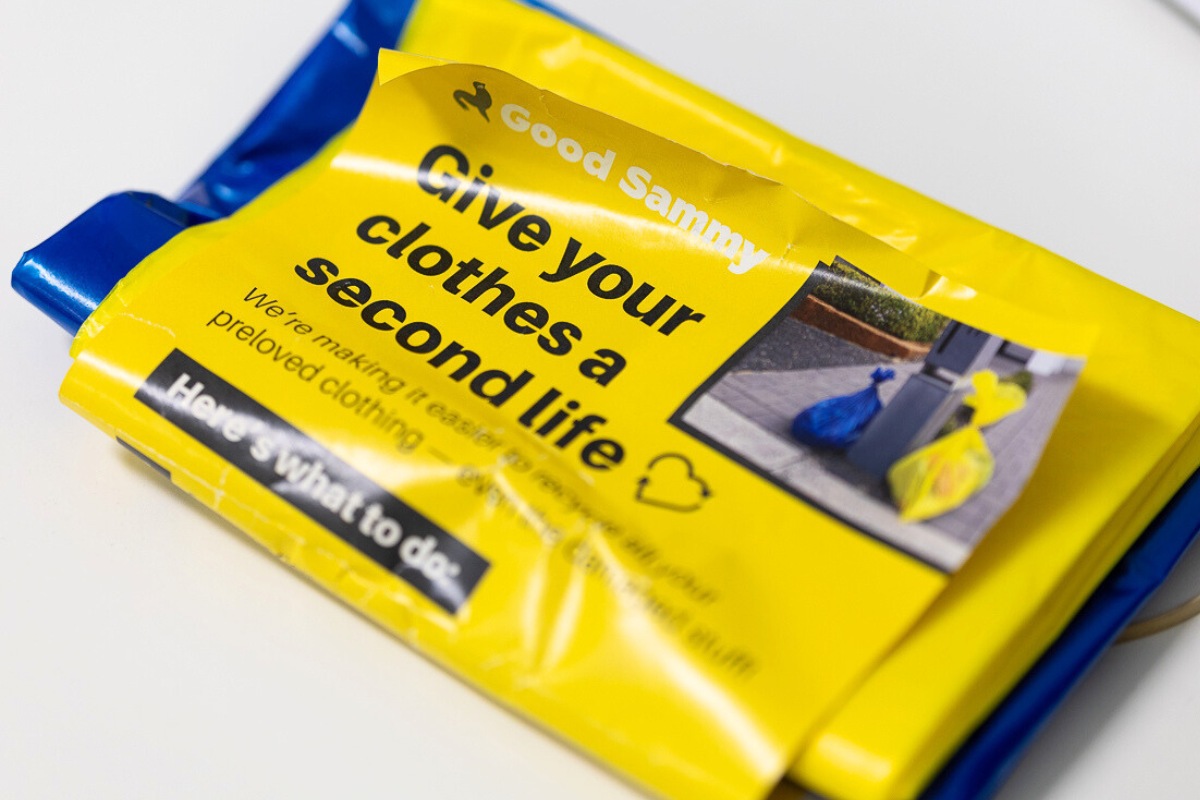
The WA Clothing Recovery Pilot was led by Good Sammy Enterprises with local organisations across Western Australia (WA) including the City of Kwinana, City of Vincent, Stewart & Heaton, ThreadUp Australia and To the Power of You. Over three months, more than 3,000 households donated over 11 tonnes of clothing, which was sorted locally to support jobs for people with disability. Wearable items were resold, while unwearable materials were recycled into products like acoustic insulation. Components such as zips were also refurbished for resale.
Sort for Good pilot
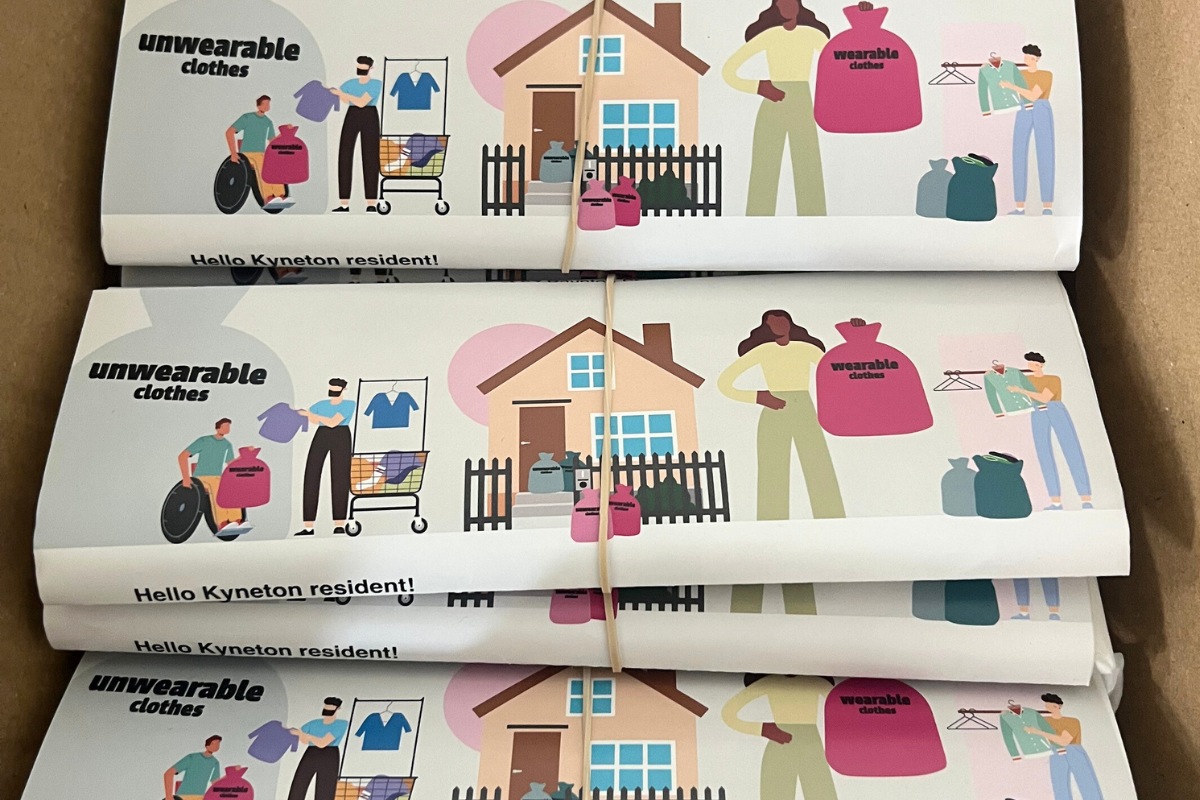
Delivered by SCRgroup in partnership with Reground, RMIT University and WRAP Asia Pacific, the Sort for Good pilot tested a “sort before you donate” approach. People separated wearable and unwearable items before donating them, with the pilot collecting more than ten tonnes of clothing in three months.
Informing a coordinated national clothing system
Findings from the program will be delivered to the Australian Government in late April 2026. They will provide practical insights into current clothing pathways, future markets for recycled textiles, and the infrastructure, technology and industry capability needed to support a coordinated national clothing collection, sorting, reuse and recycling system for Australia.

.jpg)