The escalating conflict in the Middle East is now a growing risk to Australia’s clothing sector, writes Seamless CEO, Ainsley Simpson.
Disruptions to sea and air corridors, rising oil and energy prices, war-risk surcharges and unstable energy markets are already impacting the local clothing value chain. These shocks are amplifying existing vulnerabilities across the sector and could add a further 45,000 tonnes of clothing to Australian landfills this year.
Freight costs are increasing
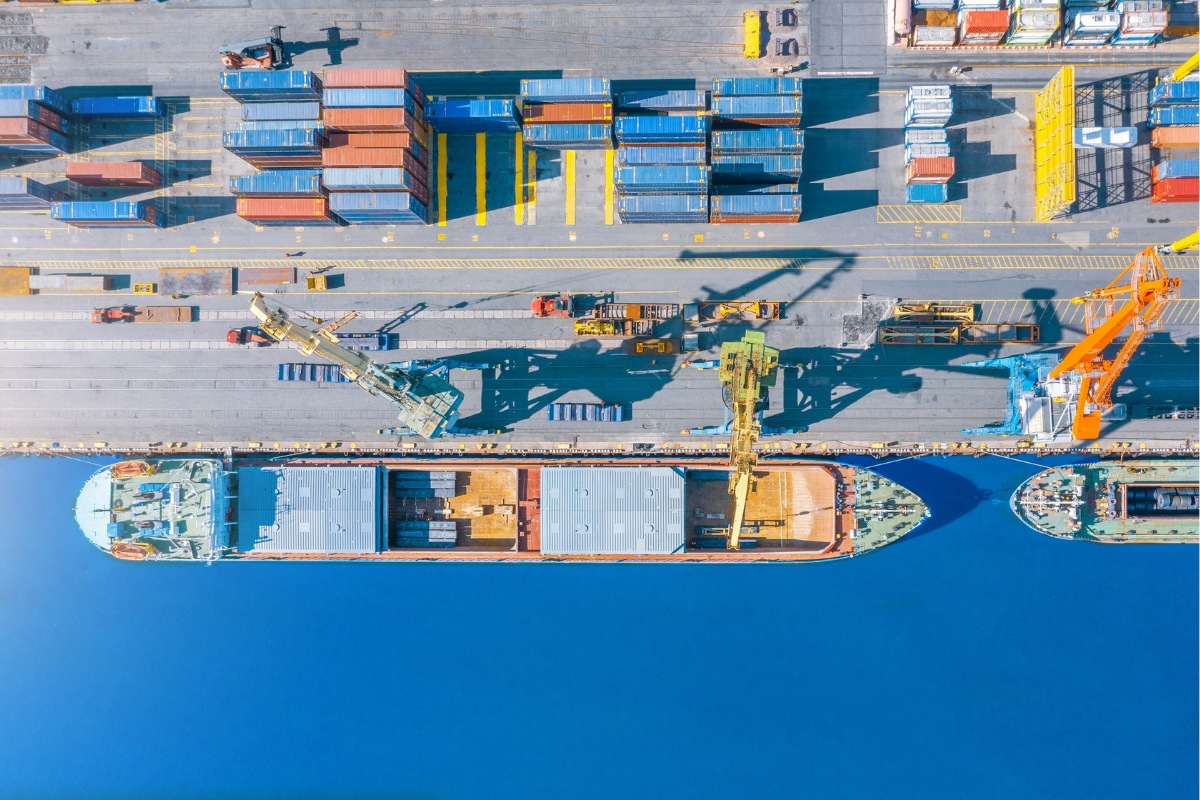
We’re keeping a close watch on the unfolding situation and its implications for Seamless members and supporters. In a recent article in Ragtrader, supply chain experts at RMIT University (RMIT) noted that around 20% of global oil trade passes through the Strait of Hormuz and that tension there is creating “severe disruptions to maritime supply chains”, forcing vessels to wait or reroute on much longer journeys around Africa.
This is increasing freight costs as shipping lines add war-risk insurance and emergency surcharges, and divert fleets away from the Strait and the Middle East region. Air cargo capacity is also constrained due to airspace closures in the region, reducing options for time sensitive shipments.
Prices for polyester and other synthetic fibres are also increasing
The Seamless 2024 National Clothing Benchmark for Australia revealed that 97% of Australia’s clothing is manufactured offshore, largely in China and Bangladesh. This offshore manufacturing system is now exposed to higher energy and transport costs.
Elevated oil prices are flowing through to container freight and petrochemical inputs. This is putting upward pressure on prices for polyester and other synthetic fibres, as petrochemical feedstock costs rise. Textile suppliers in Asia are now monitoring prices daily, with prices for fibres such as polyester rising more than 10% within one week of the first strikes on Iran, according to Bloomberg.
As RMIT’s commentary notes, if conflict related disruptions persist, brands using recycled or “circular” materials may gain a competitive advantage by reducing their exposure to volatile virgin oil-based inputs.
Clothing brands and retailers are facing significant pressures
In practical terms, RMIT’s analysis suggests these pressures are likely to result in longer lead times and higher costs for materials and production inputs. Clothing brands and retailers are already anticipating increased import and distribution costs, greater volatility in exchange rates (particularly given USD-denominated oil and freight pricing) and additional hedging requirements. These factors are compounding margin pressure in an inflationary environment, which is also impacted by a recent 25 basis point interest rate rise in Australia.
At the same time, consumer spending is expected to soften under combined cost-of-living and geopolitical pressures, placing further strain on already tight margins. This is likely to drive lower earnings, increased discounting and a build-up of aged inventory for clothing retailers. Sustained increases in transport, energy and insurance costs will place further pressure on retail margins and, potentially, on prices. As Australian Retail Council CEO Chris Rodwell stated, “Retail is again facing a double hit - rising supply chain costs from the global oil shock and a rate rise that will likely further squeeze household spending.”
Clothing exports at risk as trade routes are disrupted
It’s not just clothing brands and retailers that are impacted - the entire clothing value chain is highly dependent on global trade routes. The Seamless 2024 National Clothing Benchmark for Australia estimated that Australia exported 342 million items, or 85,000 tonnes, of pre-loved clothing in 2024. The primary destination was the United Arab Emirates (UAE) global sorting hub, which received 51% of the clothing exported. Most non-urgent freight to this region has now been suspended and this has immediate consequences for Australia’s clothing exporters and charities.
An additional 45,000 tonnes of clothing could be headed for landfill
Many charities and commercial clothing collectors have just completed their peak intake over the holiday season. This means a large proportion of annual second-hand clothing export volumes, which the sector estimates will be 45,000 tonnes in 2026, is either ready for dispatch or already in transit to the UAE. Carriers are now diverting vessels away from the Strait of Hormuz, instructing ships to shelter or reroute via much longer journeys, and applying war-risk, insurance and fuel surcharges on any cargo still moving through the region.
For Australian second-hand clothing exporters, this means that clothing cannot be shipped to primary global sorting facilities, which has resulted in a sharp reduction in export revenue. At the same time, logistics costs are rising on already thin margins.
Alternative sorting destinations are being explored, but processing premiums and capacity constraints mean that diverted trade may not be financially feasible in the short to medium term. The reduced export capacity will push more second-hand clothing with no domestic market back into local networks, stressing commercial and charitable collection, sorting and reuse channels and increasing pressure on already constrained warehousing.
Targeted public spending will be required to manage this sudden and unprecedented increase in clothing potentially headed for Australian landfill. If an additional 45,000 tonnes of clothing is sent to Australian landfill, our landfill capacity crisis would worsen and State and Local Governments could incur an additional $6.3 million in landfill costs (assuming an average landfill levy of $141 per tonne).
Call to expand the Seamless Circular Clothing Textiles Fund
State and Territory Governments in Australia have an opportunity to co-invest in a second phase of the Seamless Circular Clothing Textiles Fund to help keep some of the clothing volumes that are rapidly accumulating onshore out of landfill.
A second phase would accelerate local sorting capability, deploy recycling and remanufacturing solutions capable of processing these materials, reduce reliance on offshore markets and provide an immediate pathway to divert much of the clothing from landfill. Together, these outcomes contribute to onshore circular system capability for the long-term.
The case for circular resilience
We’ll continue to work closely with industry partners to monitor the crisis and its impacts, and to brief Federal and State Governments on the risks to the clothing value chain. Current disruptions could push more than 45,000 additional tonnes of clothing textiles into landfill across Australia.
These impacts highlight the need for strong, local circular infrastructure and supportive systems. Australia needs responsible product stewardship to build a coordinated national system for collecting, sorting, reusing and recycling clothing. This is not only an environmental imperative, it’s a strategy for economic resilience. A more responsible, productive, circular clothing economy will help us respond to global shocks now, while preparing to manage for long-term risks like resource scarcity and climate disruption identified by the World Economic Forum in 2026.

.jpg)