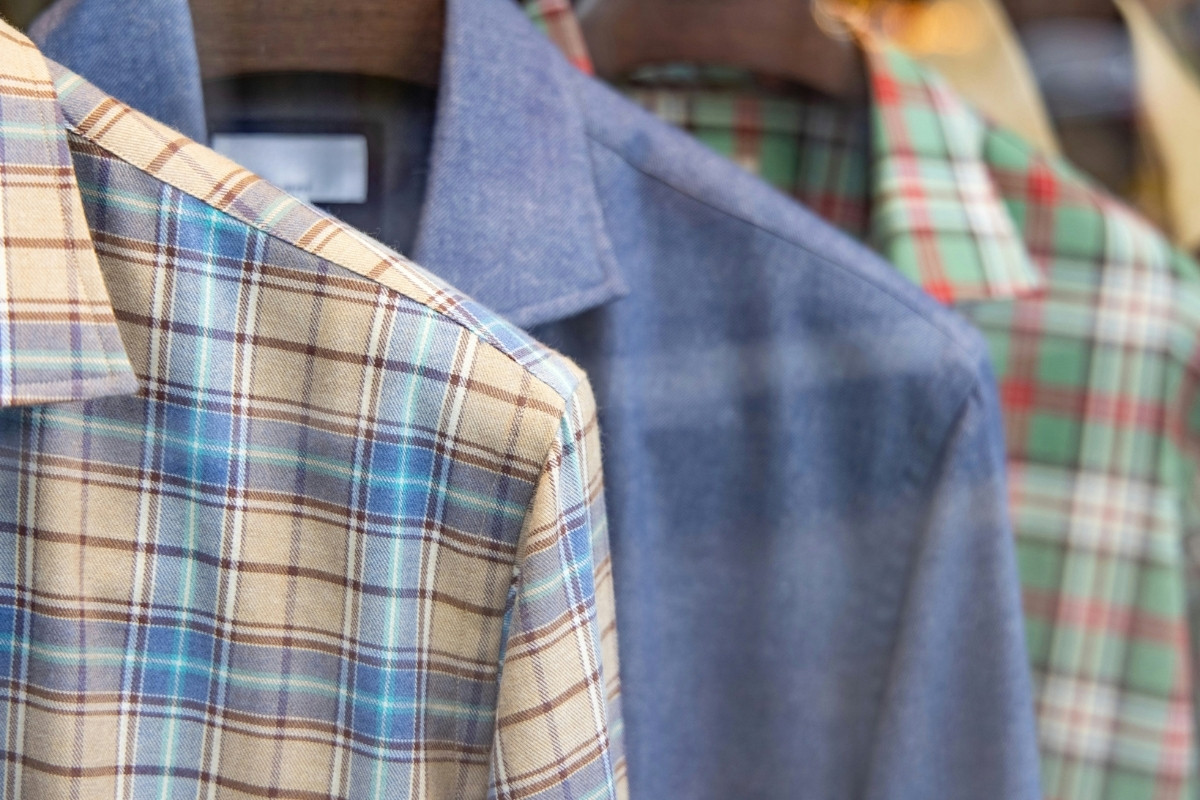
A major new EU measure to tackle clothing waste is now in effect. From 19 July 2026, large companies operating in the EU can no longer destroy unsold clothing, clothing accessories and footwear. Instead, businesses are expected to prioritise resale, donation, reuse, repair, refurbishment or remanufacturing.
The new rules are an important step towards a more circular clothing industry, and they send a clear signal that reducing overproduction and keeping clothing in use should be prioritised over disposal.
So, why has the EU introduced the ban, what does it mean for clothing producers, and could Australia take a similar approach?
Why the ban was introduced
The clothing industry has a significant overproduction and waste challenge.
The European Environment Agency (EEA) estimates that 4–9% of all textile products placed on the European market are destroyed before they are used, which is between 264,000 and 594,000 tonnes of textiles each year.
Returned online purchases are a significant challenge. The average return rate for clothing bought online in Europe is estimated at around one in five items, and the EEA estimates that, on average, around one third of returned clothing bought online is destroyed.
Destroying a new, usable product disregards and wastes all the resources that went into making it - from raw materials and energy to labour, transport and manufacturing. It also creates avoidable greenhouse gas emissions.
The new EU rules aim to change that. Rather than treating surplus stock as waste, they encourage businesses to prevent it in the first place and find higher-value pathways for unsold products. This is a complementary policy measure to extended producer responsibility (EPR), which in the EU focuses on managing products at the end of their life.
What the ban covers
Under the EU’s Ecodesign for Sustainable Products Regulation (ESPR), the destruction of unsold clothing, clothing accessories and footwear by large companies is banned from 19 July 2026. The ban will extend to medium-sized companies from 19 July 2030. Micro and small companies are exempt.
In the EU , a large company is a business that has 250 or more employees and an annual net turnover of over €50 million. A medium sized company has 50 to 249 employees, with annual turnover between €10 million and €50 million.
There are limited circumstances where destruction of unsold clothing is permitted, including for health, hygiene or safety reasons, or where products are damaged and cannot be repaired cost-effectively. Importantly, businesses must be able to demonstrate why an exemption applies.
The rules also introduce greater transparency around unsold products that are discarded. A standardised format for reporting discarded unsold consumer products will apply from February 2027.
What this means for clothing producers
The changes mean businesses can no longer simply destroy unsold stock. Instead, they need to consider new pathways for unsold clothing and put systems in place to support them. These could include:
- Reselling through outlets, discount channels or resale platforms
- Donating to charities or social enterprises
- Preparing products for reuse, including repair, refurbishment or remanufacturing
- Recycling products where reuse is not feasible
This creates a commercial driver to design out waste. Better forecasting, buying and production planning can help prevent excess stock from being created in the first place. Better returns management can also reduce the number of usable products that are regarded as waste.
The goal is to avoid continued overproduction, find a better way to manage unsold clothing, and keep products in use for as long as possible.
What does this mean for Australia?
The EU rules apply to large Australian clothing businesses that operate in the EU and fall within the scope of the regulation. For these businesses, the change is already here.
The issue is just as relevant to Australia, although our clothing waste challenge goes beyond unsold stock. We have high levels of clothing consumption and a largely linear system that is not equipped to manage the volumes of clothing being produced, purchased and increasingly discarded.
According to the Seamless National Clothing Benchmark for Australia, Australians buy more than 1.51 billion new clothing items annually, which is equivalent to 55 items per person. At the same time, 220,000 tonnes of clothing ends up in Australian landfill every year.
And it is not just post-consumer clothing that is a concern. The benchmark estimates that 47 million new clothing items, around 11,700 tonnes, aren’t sold each year.
These figures point to a bigger systemic challenge. We need to improve product design, reduce overproduction, increase reuse, and create viable solutions for clothing that can no longer be worn.
The EU’s approach provides an important example of what policy leadership can do: set clear expectations, create transparency and shift responsibility to the businesses that make and sell products.
Australia is at an advantage because Seamless is a circular stewardship scheme that strategically invests across the full lifecycle of clothing. This supports clothing producers to adopt better business practices, including circular design and new revenue models that extend the useful life of clothing, while also strengthening customer experience and brand loyalty.
As part of the Evidence for change, Seamless is advocating for a mandatory national clothing stewardship scheme so that all clothing producers help build the collection, sorting, reuse and recycling infrastructure Australia needs, create stronger markets for recycled textiles and ensure the costs of managing clothing at the end of its life are not left with councils, charities and taxpayers.
Destroying new clothing is incompatible with a circular economy. The EU has now taken a significant step to avoid preventable waste. The question for Australia is what we can learn from it, and how quickly we can deliver the policy settings needed to create a circular clothing economy here.
For Australia, the lesson is clear: without stronger policy settings, investment in circular systems and shared producer responsibility, we risk falling further behind.


.jpg)