Two new reports highlight the growing importance of circular design as we transition towards a circular clothing sector in Australia.
Design decisions have a major influence on what happens to a garment throughout its life, from how long it lasts and whether it can be repaired, to what happens when it can no longer be worn.
The Ellen MacArthur Foundation estimates that 80% of a product’s environmental impact is determined at the design stage. This means building circular design capability is essential for a circular clothing industry.
From information to market transformation
The Ellen MacArthur Foundation’s new white paper, From information to market transformation: Why the ESPR must mandate performance requirements for textiles, looks at the EU’s Ecodesign for Sustainable Products Regulation (ESPR) and what it could mean for textiles.
The paper calls for performance-based requirements in ecodesign legislation, including mandatory durability standards, stronger recyclability requirements, post-consumer fibre-to-fibre recycled content and product-level repairability requirements.
It also recommends a phased approach to implementation, giving businesses time to adapt their product design, testing and supply chains. This would provide greater certainty and support longer-term investment in circular product development.
While these changes are being driven by regulation in Europe, they point to a broader shift in how clothing products should be designed and made.
A practical guide to circular design
The Circular Design Playbook: A focus on fibre-to-fibre recycling, co-authored by the Circular Textiles Foundation and UKFT, takes a more practical approach.
The playbook encourages clothing brands and retailers to build circular design capability before mandatory requirements come into effect. Doing so can help brands develop the knowledge, supplier relationships and cross-functional processes they will need to respond to emerging regulation.
Importantly, the playbook also highlights that circular design cannot sit with sustainability teams alone. Designers, buyers and sourcing teams all have a role to play in creating garments that are designed for durability, repair, recyclability and future value.
Building circular clothing design capability
Together, these reports highlight the importance of circular clothing design. Building this capability now can help clothing producers prepare for changing regulation and product stewardship, reduce transition risks and costs, and identify opportunities to create garments that are valued for longer.
This is an area where practical skills and experience matter. Circular design involves making decisions about materials, construction, use, repair, reuse and end of life, requiring collaboration across different parts of a business and its supply chain.
Building these skills in Australia
Seamless is supporting the development of these capabilities through our circular clothing design training.
Our 12-week Implementation course gives designers the opportunity to apply circular design principles to redesign an existing garment. Participants work through the process of defining a product’s purpose, developing a circular material strategy, creating a use plan and considering what happens when the product reaches the end of its useful life.
The course includes an online introductory session, a one-day in-person design workshop, individual coaching throughout the program and a final workshop where participants present their redesigned garment.
Explore circular design training
Email the Seamless Team to discuss customised, in-house circular clothing design training for your team, or find out more and register your interest for our next training courses in 2027.
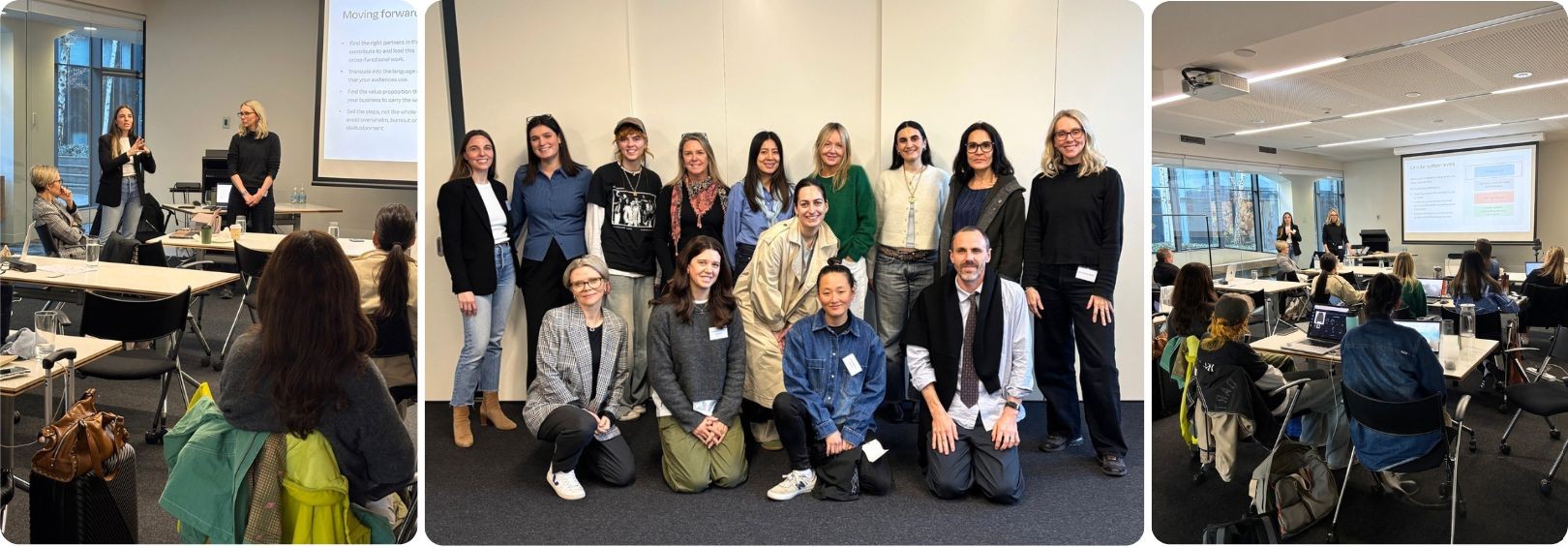
Participants in the current Seamless Circular Clothing Design Implementation course, August 2026.
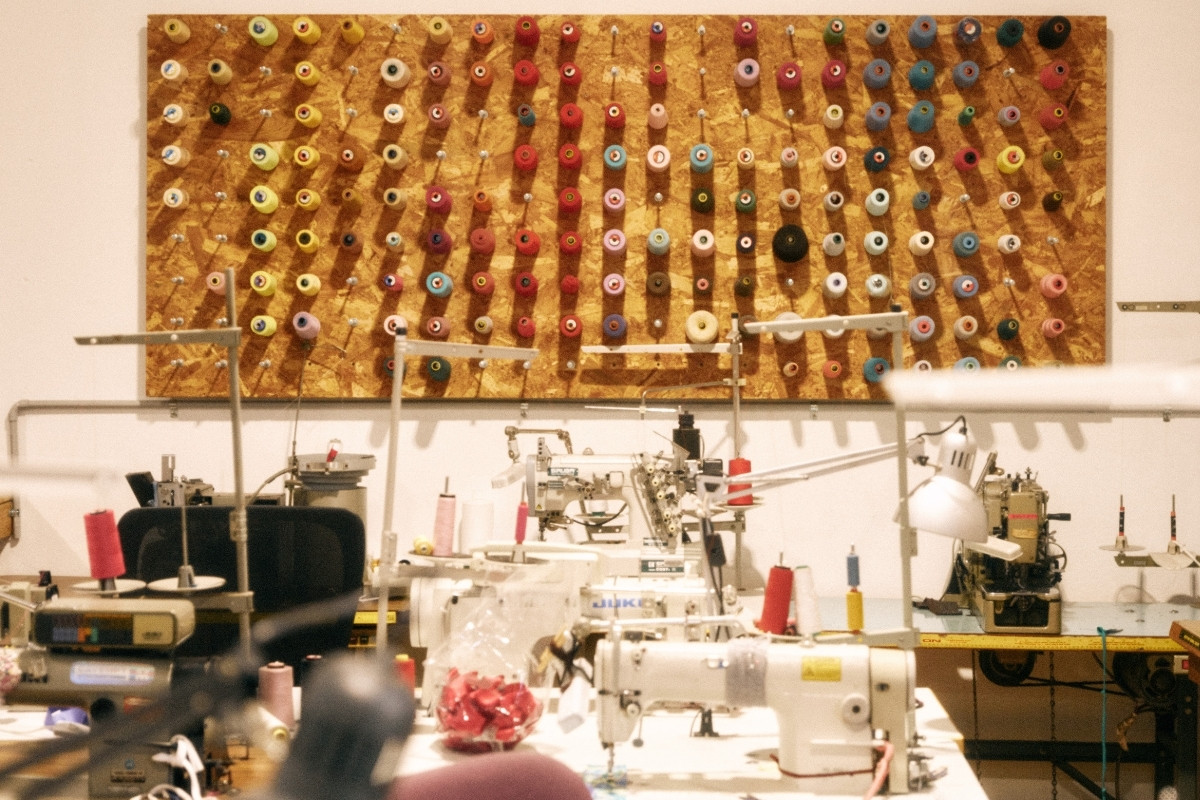
Header image credit: The Social Outfit, a Seamless supporter


.jpg)
