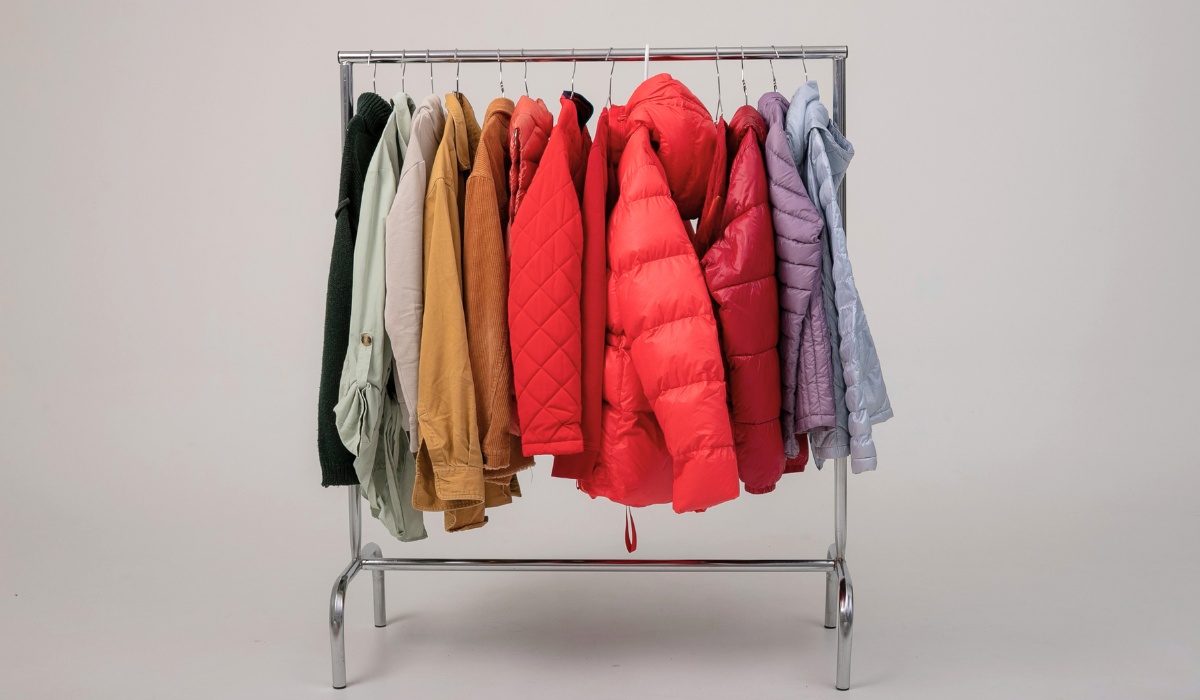
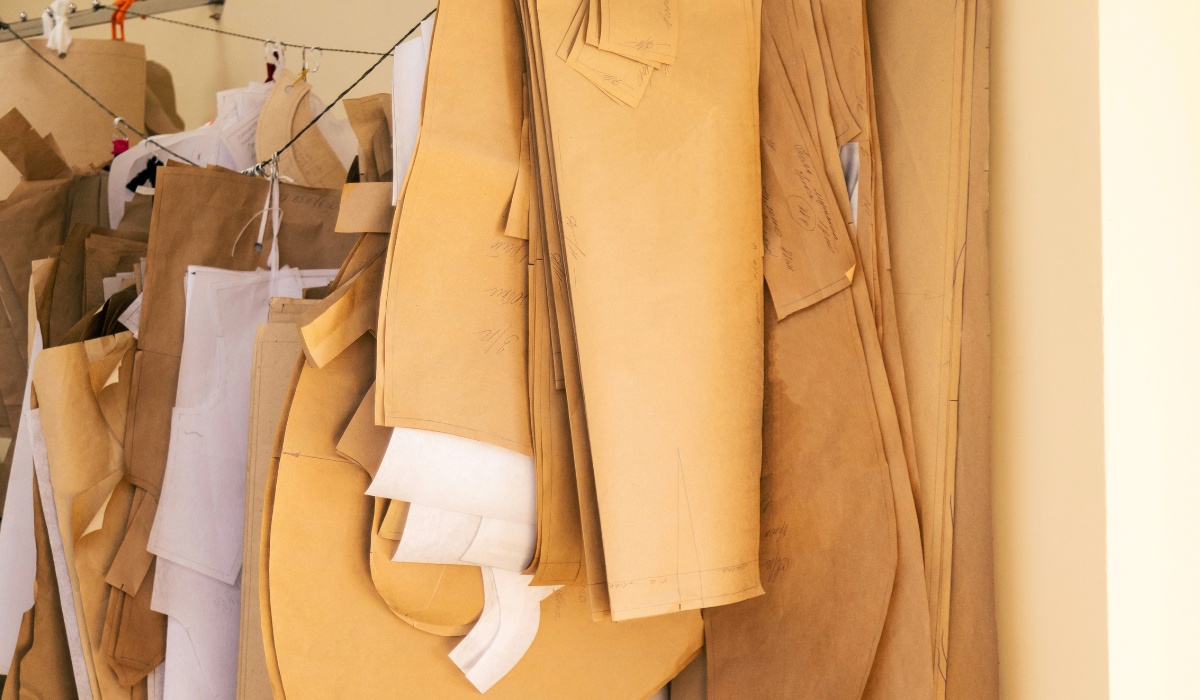
Seamless received grant funding from the Australian Government to deliver a program to support a coordinated national clothing collection, sorting, reuse and recycling system for Australia. The program enabled Seamless to drive industry collaboration, increase clothing recirculation and stimulate next markets for clothing to reduce landfill and support the transition to a circular clothing economy in Australia.
As part of this program, the Seamless Circular Clothing Textiles Fund supported seven pilots that demonstrated solutions for collecting, sorting and recycling ‘unwearables,’ which are the clothes we can no longer wear.
Program scope
The program developed shared definitions for circular clothing terms, ran seven pilots to trial collection, sorting and recycling for unwearables, and researched next markets for Australian recycled textiles. The data and outcomes from this work informed a policy, economic and financial analysis, with all elements evaluated to build an ‘Evidence for change’ report.
Find out more about the seven pilots.
The evidence for change
Pilot data and outcomes
The seven pilots supported by the Seamless Circular Clothing Textiles Fund show how Australia can build effective solutions for collecting, sorting and recycling unwearable clothing. The Fund’s $500,000 public investment unlocked $1.55 million in in-kind industry contributions, which is more than three dollars in private support for every public dollar invested.
The pilots also show Australians are ready to use trusted and convenient options for disposing of unwearable clothing. In just three months, 31 tonnes of clothing was collected across multiple channels, with strong community participation. The pilots produced eight recycled textiles outputs, turning unwanted clothing into products such as insulation.
Find out more and download the ‘Pilot data and outcomes’ report.
Next markets for unwearable clothing textiles
Our research found that markets for recycled clothing textiles exist but are still significantly underdeveloped. A lack of demand limits investment across the system, which constrains higher-value recycling solutions. No single technology or recycling solution can manage the volume, material diversity and contamination challenges of unwearable clothing. A coordinated mix of solutions will be required.
Next Markets for Unwearable Clothing Textiles, developed by Rawtec and commissioned by Seamless, provides an assessment of next markets for unwearable clothing textiles in Australia.
Informed by this research, the Seamless position paper, Unlocking Next Markets for Recycled Clothing Textiles, outlines the actions needed to accelerate demand for recycled textile products, stimulate investment in domestic recycling infrastructure and keep valuable materials in circulation.
Policy, economic and financial analysis
The policy, economic and financial analysis confirmed that a national clothing scheme with mandatory producer obligations delivers clear economic benefits and public value. A mandatory approach reduces system costs through shared infrastructure, builds markets for recycled textile content, lowers landfill pressure and emissions, and improves material productivity by reducing reliance on virgin fibre.
Program recommendations
The evidence for change delivers a clear conclusion: Australia needs a mandatory, nationally coordinated stewardship scheme to address clothing waste and enable a circular clothing economy.
As the urgency to transition Australia to a circular economy grows, reform is underway, but it will take time. To make progress during this period, four recommendations focus on building momentum: piloting solutions to manage post-consumer clothing, developing next markets for recycled textiles, introducing compulsory data reporting, and providing greater regulatory certainty.
Find out more and download the ‘Evidence for change’ report.